It is becoming increasingly important to pay attention to our individual consumption habits for the benefit of our global environment. One subtle but impactful way to contribute to this is through sustainable shopping, particularly concerning food products. This involves choosing food items that are friendly to the environment, both in their production and distribution. This article provides simple guidelines on sustainable shopping and how to reduce your food footprint.
Understanding the Food Footprint Concept
The term “food footprint” refers to the environmental impact of food production and consumption. It encompasses factors such as water and energy use, pollution, land use, and biodiversity loss. According to a study published in “Science of The Total Environment,” our food footprint accounts for around 26%-30% of global greenhouse gas emissions. By altering our buying habits and food choices, we can help reduce this significant environmental impact.
Shopping Locally
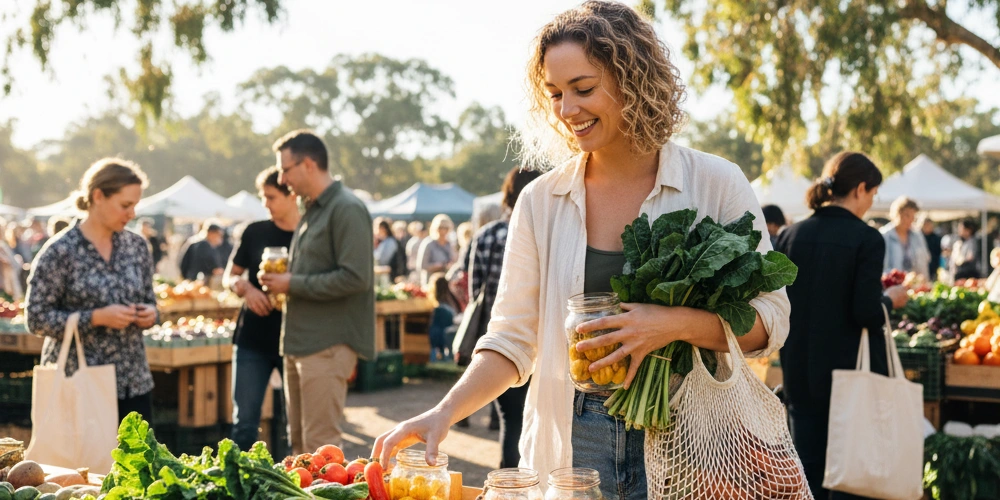
One effective way to mitigate your food footprint is by local shopping. Buying from local farms and suppliers reduces the distance food travels before reaching your plate, thus lowering carbon emissions from transportation. Additionally, local foods are often fresher and support local economies.
Seasonal Eating
Food items that are in season typically require less artificial aid for their growth. This results in lower energy inputs and environmental harm. Additionally, seasonal foods are often tastier and more nutritious, as they are consumed at peak ripeness.
Choosing Organic and Plant-based Foods
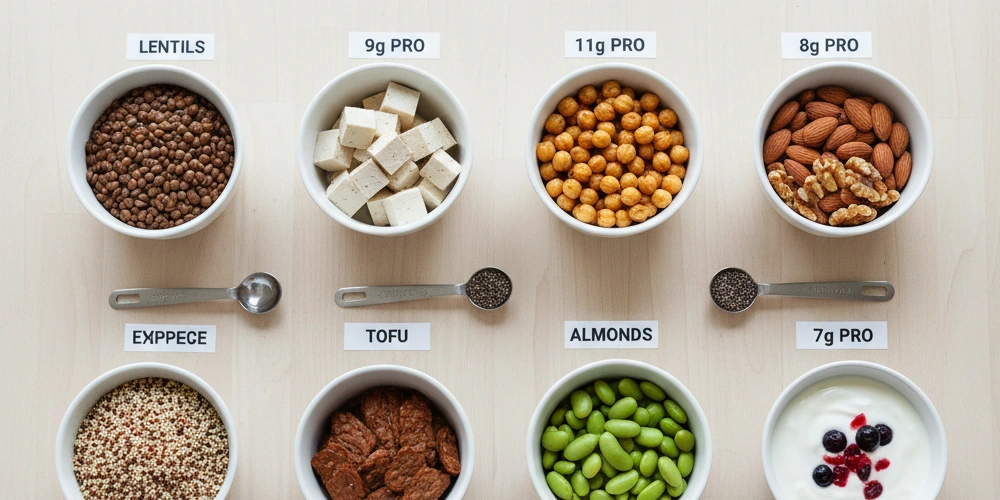
Organic farming practices tend to be more sustainable, with less reliance on synthetic pesticides and fertilizers. Meanwhile, plant-based foods generally require fewer resources to produce than animal-based products. For instance, according to research from the University of Oxford, a plant-based diet could reduce food-related carbon emissions by up to 73%. For vegan food shopping tips, you can refer to this helpful Vegan Supermarket Guide.
Reducing Food Waste
The UN Environment Programme reports that nearly one-third of food produced for human consumption is wasted. By planning meals, storing food properly, and using leftovers wisely, we can significantly reduce the food waste we generate, thereby lowering our food footprint.
Buying in Bulk
Purchasing items in bulk reduces the amount of packaging used in product distribution. By bringing your own containers to bulk buy sections, you can contribute to reducing waste.
The Pros and Cons of Sustainable Shopping
While sustainable shopping comes with numerous advantages, it is not without challenges. On the positive side, sustainable shopping promotes healthier eating habits and helps protect the environment. It also supports local economies and promotes animal welfare, particularly through the preference for organic and plant-based foods.
However, some consumers might encounter obstacles in adopting sustainable shopping. For instance, organic and local foods can be more expensive than conventionally-produced goods. Similarly, bulk buying requires adequate storage space, which might not be available for everyone. Also, the availability of organic, locally-produced, and seasonal goods can vary greatly depending on location.
In sum, sustainable shopping is a practical way to reduce our food footprint and contribute to environmental protection. Despite the challenges it presents, the benefits to our health, environment, and local communities make it a worthy endeavor. By evaluating our daily food consumption habits and opting for more ecological choices, we can collectively help maintain our planet for future generations.
Related Information
For more on sustainable living and food choices, visit the United Nations Environment Programme website. For a comprehensive guide on how to live sustainably, The Sustainable Living Guide offers numerous resources and informative courses.