
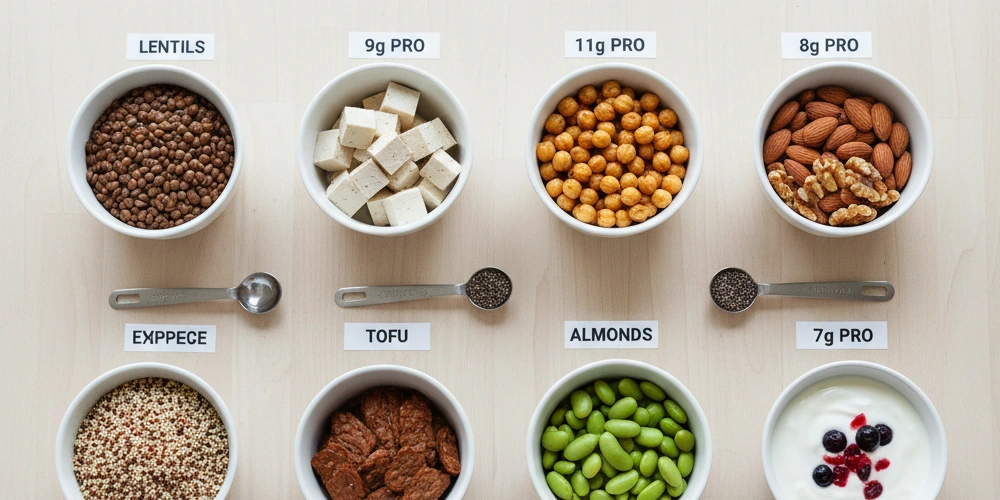
Protein is an essential nutrient that your body needs to build and repair tissues. As a vegetarian, you may wonder where to find good sources of protein. The good news is that there are many healthy, delicious, and vegetarian-friendly protein sources.
What is Protein
Proteins are organic compounds made up of amino acids. They help to support the immune system, maintain muscle mass, and promote skin health. Protein is a nutrient your body uses every day. Thus, constant protein supply in your diet is important.
Why Protein is Important For Vegetarians
Vegetarians eat a diet that mainly includes fruits, vegetables, grains, nuts, and seeds, but excludes meat. A common misbelief is that vegetarians struggle to meet their protein needs. This is not usually the case if they eat a variety of foods.
A balanced vegetarian diet can provide all the protein you need. But obtaining adequate protein needs careful planning. You need to know the protein content in different foods and include them in your meals correctly.
Good Sources of Protein for Vegetarians
There are many sources of plant-based proteins. The following foods contain high levels of this essential nutrient:
-
Quinoa: Quinoa is a grain that is high in protein, it contains all the essential amino acids. It is also a reliable source of fiber, iron, and magnesium.
-
Lentils: Lentils are a great source of protein. They also contain a good amount of dietary fiber.
-
Soy: Soy-based foods, like tofu and tempeh, are high in protein. They can replace meat in many recipes.
-
Seeds and Nuts: Seeds and nuts are great sources of protein and healthy fats. They also contain vital minerals and vitamins.
How Much Protein Do Vegetrians Need
The amount of protein required varies depending on various factors like age, gender, and physical activity. According to Dietitians Australia, adult women should get about 46 grams of protein per day, and adult men should get about 64 grams.
Balancing Your Protein Intake
While eating a variety of plant-based protein sources is the best way to ensure adequate intake, it is also important to balance protein with other nutrients. Consuming enough fiber, vitamins, and minerals is as important as protein intake.
Whole grains, fruits, and vegetables are full of these nutrients. Including a variety in your diet helps in meeting the requirements of other nutrients.
Meeting Your Protein Needs as a Vegetarian: Tips
Here are some tips for vegetarians to ensure enough protein intake:
- Vary your sources of protein to ensure an intake of all amino acids.
- Combine different proteins in the same meal. For instance, mixing lentils with rice, or peanut butter with whole grain bread.
- Include protein-rich foods in every meal.
Protein and Vegetarian Diets: Pros and Cons
As a vegetarian, getting your daily required protein has both pros and cons.
Pros:
- Plant-based proteins often come with additional nutrients like fiber.
- Consuming a variety of plant-based proteins can provide a balanced diet.
Cons:
- It might require careful planning to ensure enough protein.
- Some vegetarian protein sources can be high in carbohydrates.
In summary, vegetarians can meet their protein needs with a well-planned diet. Consuming diverse protein sources is vital. It not only ensures an adequate protein intake, but also balances the intake of other essential nutrients. A balanced diet is the key to healthy living for vegetarians and non-vegetarians alike.