Moving to a new home is one of life’s most stressful experiences, ranking right up there with changing jobs or ending relationships. But for vegetarians and vegans, relocating comes with unique challenges that go beyond packing boxes and hiring removalists. From finding veggie-friendly neighborhoods to ensuring your specialty ingredients survive the move, this comprehensive guide will help you transition smoothly to your new home while maintaining your plant-based lifestyle.
Why Moving Matters for Vegetarians
Your location significantly impacts your ability to maintain a satisfying vegetarian lifestyle. Access to fresh produce markets, plant-based restaurants, health food stores, and like-minded communities can make the difference between thriving and merely surviving on a vegetarian diet.
When planning your move, consider these factors that directly affect your day-to-day eating habits and quality of life as a vegetarian.
Choosing Your New Neighborhood: The Veggie-Friendly Checklist
Before you commit to a new suburb or city, research these essential vegetarian-lifestyle factors:
Proximity to Fresh Produce
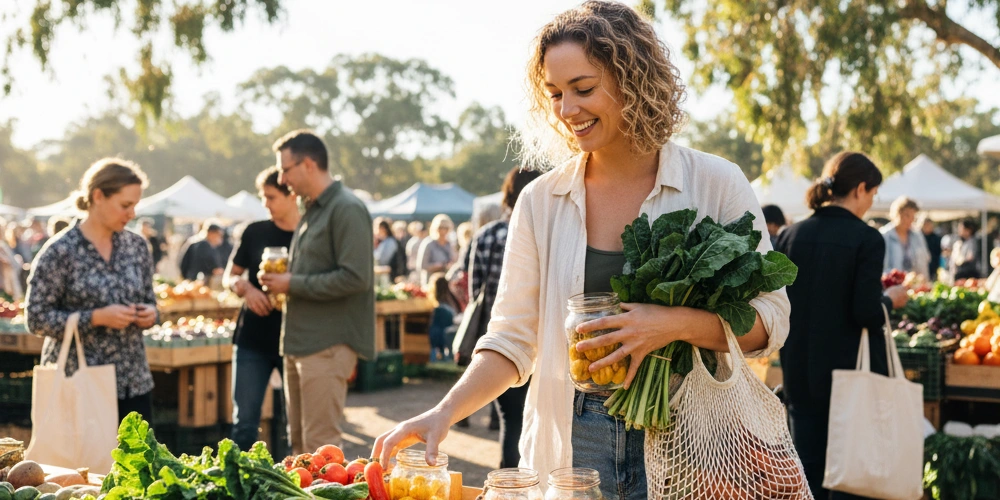
Farmers Markets: Check if there are regular farmers markets within a 15-minute drive. Fresh, seasonal, locally-grown produce is the foundation of great vegetarian cooking. Use the Australian Farmers’ Markets Association website to find markets near your potential new home.
Independent Grocers and Health Food Stores: While Woolworths and Coles are everywhere, specialty stores often carry unique vegetarian products, bulk grains, and hard-to-find ingredients like nutritional yeast, tempeh, and specialty plant-based proteins.
Asian Grocers: Many vegetarian staples come from Asian cuisines. Living near good Asian grocers means affordable tofu, fresh herbs, interesting vegetables, and authentic sauces.
Restaurant and Cafe Options
Research the dining scene in your target area:
- How many vegetarian or vegan restaurants are nearby?
- Do mainstream cafes and restaurants offer substantial vegetarian options beyond sad garden salads?
- Are there food co-ops or community dining initiatives?
Community and Social Networks
Vegetarian Meetup Groups: Check Facebook groups, Meetup.com, and local community boards for active vegetarian communities in the area.
Cooking Classes and Workshops: Areas with plant-based cooking classes often indicate a supportive vegetarian community.
Planning Your Move: The Practical Stuff
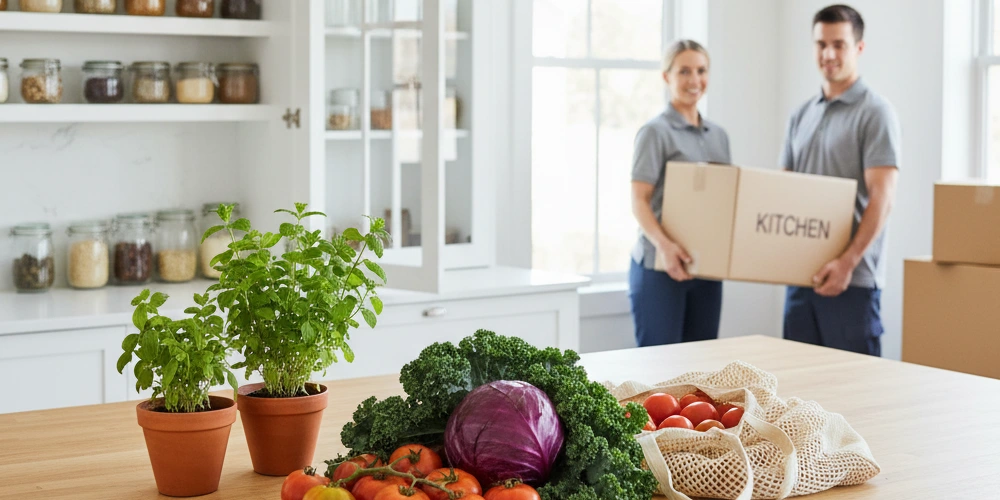
Once you’ve chosen your new location, it’s time to organize the actual move. Finding reliable removalists who’ll treat your belongings with care is crucial. Services like Find a Mover can help you compare quotes from professional removalists across Australia, ensuring you get the best service for your budget. This is especially important when you’re moving precious items like quality kitchen equipment, pantry staples, and those irreplaceable cast iron pans you’ve seasoned to perfection.
Kitchen Equipment Priority List
Your kitchen is your vegetarian command center. Pack these items last and unpack them first:
Essential Cooking Tools:
- High-speed blender (for smoothies, soups, nut butters)
- Food processor
- Quality knives and cutting boards
- Cast iron or stainless steel pans
- Large pots for cooking grains and legumes
- Steamer basket
- Rice cooker or instant pot
Specialty Equipment:
- Spiralizer for vegetable noodles
- Juicer (if you use one regularly)
- Dehydrator (if you make your own dried fruits or veg)
- Spice grinder
- Mortar and pestle
Moving Your Pantry: What to Take, What to Toss
A well-stocked vegetarian pantry is hard to rebuild from scratch. Here’s how to decide what makes the journey:
Definitely Take:
- Expensive or specialty items (nutritional yeast, specialty flours, imported spices)
- Bulk items you’ve invested in (large bags of quinoa, rice, lentils)
- Opened packages of expensive nuts and seeds
- Your spice collection (properly sealed in airtight containers)
- Specialty condiments and sauces
- Unopened shelf-stable items
Consider Leaving or Donating:
- Nearly empty packages
- Heavy items easily replaced (large bags of flour, pasta)
- Perishables with short shelf lives
- Items you haven’t used in 6+ months
Smart Packing Tips:
- Use original packaging when possible
- Seal opened packages in ziplock bags or containers
- Pack spices in sturdy boxes with bubble wrap between jars
- Keep valuable items (saffron, vanilla beans) with you rather than in the moving truck
- Label boxes clearly: “PANTRY – FRAGILE – SPICES” or “KITCHEN – HEAVY – GRAINS”
Managing Refrigerated and Frozen Foods
Two Weeks Before Moving:
- Stop buying fresh produce
- Use up frozen items
- Eat through your fridge stockpile
- Make large batch meals you can freeze and eat during moving week
Moving Day Strategy: If you’re moving locally (same day move):
- Use coolers with ice packs for essential refrigerated items
- Transport frozen items in insulated bags
- Bring these items yourself in your car rather than the moving truck
If you’re moving long-distance:
- Consume or donate all perishables
- Consider composting vegetables rather than wasting them
- Gift unopened items to friends or local food banks
Setting Up Your New Vegetarian Kitchen
Day One Essentials: Pack a “first day” box with:
- Kettle and coffee/tea supplies
- One pot, one pan, one knife
- Plates, bowls, cutlery for your household
- Basic spices: salt, pepper, oil
- Quick meals: crackers, nut butter, canned soup, pasta and sauce
- Fresh fruit and vegetables for first meals
First Week Priorities:
- Find Your Go-To Grocery Store: Visit multiple supermarkets to compare vegetarian selections and prices. Identify which one will be your primary shopping location.
- Locate the Farmers Market: Visit the local farmers market and introduce yourself to vendors. Ask about seasonal availability and delivery options.
- Map Health Food Stores: Find where to buy specialty items like nutritional yeast, plant-based proteins, and bulk goods.
- Test Local Restaurants: Try 2-3 vegetarian-friendly restaurants in your first week. These become your backup options when you’re too exhausted to cook during the settling-in period.
- Join Local Groups: Connect with local vegetarian Facebook groups or community organizations. Ask for recommendations and tips specific to your new area.
Dealing with Moving Day Meals
You’ll be too busy and exhausted to cook properly on moving day. Plan ahead:
Breakfast:
- Overnight oats prepared the night before
- Fresh fruit and nuts
- Energy balls or protein bars
Lunch:
- Pre-made sandwiches or wraps
- Veggie sticks with hummus
- Trail mix and dried fruit
Dinner:
- Pre-order from a local vegetarian restaurant
- Have frozen pizzas ready to pop in the oven
- Keep pasta and jarred sauce on hand for a quick meal
Hydration: Keep a large water bottle with you all day. Moving is physically demanding, and it’s easy to forget to drink enough water.
Rebuilding Your Vegetarian Network
Moving often means leaving behind your favorite restaurants, shops, and vegetarian friends. Here’s how to rebuild:
Finding Your Tribe
Online Communities:
- Search Facebook for “[Your City] Vegetarians” or “[Your City] Vegans”
- Join local zero-waste and sustainability groups (often vegetarian-heavy)
- Look for plant-based potluck groups
In-Person Connections:
- Attend vegetarian restaurant events and cooking classes
- Join community gardens (great source of fresh produce and like-minded people)
- Volunteer at food co-ops or community kitchens
- Take yoga or wellness classes (often attended by vegetarians)
Creating New Food Routines
Week 1-2: Exploration Phase
- Try a different restaurant or cafe every few days
- Shop at various stores to compare selection and prices
- Ask locals for recommendations
- Keep notes on what you find
Week 3-4: Establishing Patterns
- Identify your regular grocery store
- Find your go-to restaurant for takeaway
- Establish a farmers market routine
- Connect with at least one local vegetarian
Month 2+: Settling In
- Host a plant-based dinner party to meet neighbors
- Share your favorite finds in local community groups
- Start contributing to local vegetarian communities
- Explore cooking classes or food workshops
Regional Considerations: Moving Around Australia
Different Australian cities and regions offer varying levels of vegetarian infrastructure:
Melbourne
Strengths: Incredible restaurant scene, multiple farmers markets, strong vegan community Challenges: Can be expensive; some suburbs better than others for veggie options
Sydney
Strengths: Excellent Asian grocers, growing plant-based scene, beachside health food culture Challenges: High cost of living; vegetarian options concentrated in certain areas
Brisbane
Strengths: Great climate for home gardening, growing vegetarian scene, affordable Challenges: Less established than Melbourne or Sydney; research neighborhoods carefully
Adelaide
Strengths: Central Market is excellent for produce, strong farmers market culture, affordable living Challenges: Smaller vegetarian community; fewer specialty restaurants
Perth
Strengths: Good farmers markets, health-conscious culture, fresh produce year-round Challenges: Geographically isolated; some specialty products harder to find
Regional Areas
Strengths: Often close to farms, tight-knit communities, affordable, great for home gardening Challenges: Fewer specialty stores and restaurants; may need to order online or travel for some items
Budget Considerations for Vegetarian Moving
Moving is expensive, but vegetarians might save money in some areas:
Where You Might Spend More:
- Specialty removalist services for delicate kitchen equipment
- Replacing spoiled specialty ingredients
- Eating out more during transition period
Where You’ll Likely Save:
- No need for special refrigerated transport for meat
- Less risk of food spoilage
- Vegetarian pantry items generally more shelf-stable
Money-Saving Tips:
- Get multiple quotes using services like Find a Mover to compare prices
- Move during off-peak times (mid-week, mid-month) for better rates
- Do your own packing to save on removalist costs
- Use reusable crates instead of buying boxes
- Declutter before moving to reduce volume (and cost)
Special Situations
Moving with a Garden
If you’ve invested time growing herbs, vegetables, or fruit trees:
What You Can Take:
- Herbs in pots (basil, parsley, mint)
- Small vegetable plants
- Seeds from your favorite varieties
- Seedlings you’ve started
What to Leave:
- Established trees or large plants
- In-ground vegetables close to harvest
- Perennials (offer to new homeowners or neighbors)
Timing Considerations:
- Best to move outside of growing season if possible
- Consider taking cuttings rather than whole plants
- Save seeds from your best plants
Moving with Kids on Vegetarian Diets
Before the Move:
- Involve kids in finding vegetarian restaurants in new area
- Let them pack their favorite pantry items
- Research schools and their lunch programs
During Transition:
- Maintain familiar meals to provide comfort
- Let kids choose one special ingredient to buy at new grocery store
- Make finding the new farmers market a family adventure
After Settling:
- Connect with other vegetarian families in area
- Find kid-friendly vegetarian restaurants
- Get kids involved in setting up new kitchen
Your Moving Checklist: 8 Weeks to Moving Day
8 Weeks Before:
- [ ] Research vegetarian infrastructure in new area
- [ ] Get quotes from removalists
- [ ] Start using up frozen foods and pantry deep cuts
6 Weeks Before:
- [ ] Book removalists
- [ ] Join local vegetarian groups online
- [ ] Begin decluttering kitchen equipment
4 Weeks Before:
- [ ] Stop buying fresh produce in bulk
- [ ] Pack rarely used kitchen items
- [ ] Donate unopened foods you won’t move
2 Weeks Before:
- [ ] Use up refrigerated items
- [ ] Pack non-essential kitchen items
- [ ] Prepare moving day meal plan
1 Week Before:
- [ ] Pack pantry items (except essentials)
- [ ] Defrost and clean freezer
- [ ] Prepare “first day” box
Moving Day:
- [ ] Pack remaining fresh food in coolers
- [ ] Keep essential items with you
- [ ] Have easy meals ready
First Week After:
- [ ] Unpack kitchen first
- [ ] Shop for fresh essentials
- [ ] Visit farmers market
- [ ] Try local vegetarian restaurant
Making Your New House a Home
Beyond the practical aspects, making your new space feel like home matters for your wellbeing:
Kitchen Comfort:
- Unpack and organize your kitchen completely before tackling other rooms
- Display your favorite cookbooks
- Set up your spice rack exactly how you like it
- Create a meal planning space
Growing Connection:
- Plant herbs in your new kitchen window
- Start a small vegetable garden if you have outdoor space
- Hang food-related art or positive food quotes
- Create a cozy eating area
Community Building:
- Host a plant-based housewarming party
- Invite neighbors over for coffee and homemade treats
- Share vegetables from your garden
- Organize potluck dinners
Environmental Considerations
As vegetarians often motivated by environmental concerns, make your move as eco-friendly as possible:
Sustainable Moving Practices:
- Use reusable plastic crates instead of cardboard boxes
- Pack with towels, sheets, and clothing instead of bubble wrap
- Choose removalists with fuel-efficient trucks
- Donate rather than discard unwanted items
- Compost food scraps rather than throwing away
Setting Up Sustainably:
- Start composting system immediately
- Set up recycling stations
- Find local zero-waste stores
- Join food co-ops or bulk buying groups
- Start worm farm for food scraps
When Things Don’t Go As Planned
Even with perfect planning, moves can be chaotic. Have backup plans:
If Removalists Are Late:
- Have easy snacks and meals that don’t require cooking
- Keep vegetarian restaurant menus handy
- Stay flexible with timing
If Items Are Damaged:
- Document everything for insurance
- Have a list of what can be replaced locally vs. what needs ordering
- Know where your essential items are
If You’re Overwhelmed:
- Remember: it’s temporary
- Order takeaway instead of cooking
- Unpack one room at a time
- Ask for help from new local vegetarian community
Final Thoughts
Moving house is challenging, but with proper planning, your vegetarian lifestyle doesn’t have to suffer during the transition. By researching your new area, packing strategically, and connecting with local vegetarian communities, you can actually use your move as an opportunity to upgrade your plant-based lifestyle.
Remember that the first few weeks in a new home are always an adjustment period. Be patient with yourself, stay organized, and don’t be afraid to rely on convenience foods when needed. Before you know it, you’ll have established new routines, found your favorite shops and restaurants, and built a supportive community of fellow vegetarians in your new location.
The key is preparation, flexibility, and maintaining perspective. Your vegetarian journey continues – just in a new and potentially even better location. Happy moving!
Have you recently moved as a vegetarian? What were your biggest challenges and best discoveries? Share your experiences in the comments below to help others planning their moves!
Resources Mentioned:
- Australian Farmers’ Markets Association: farmersmarkets.org.au
- Find a Mover: www.findamover.com.au
- HappyCow (for finding vegetarian restaurants): www.happycow.net